Why We Exist
Pragmantics is an emerging member-owned platform cooperative built to scale strategic networking and communication across social bubbles.
We stitch together passion and expertise for the common good, connecting socially conscious consultants with impact-driven organizations that need specialized expertise at sustainable price points.
Our country is at an existential crossroads


Ultimately, the Pragmantics platform will enable any mission-driven organization to collaborate economically with any team of conscientious professional service providers who they need to achieve their goals, but our first initiative will focus specifically on semantic peacebuilding.
Humanity’s ability to collaborate at scale is always limited by our inability to communicate. Everyone bumbles when trying to reach across social bubbles, even when we’re highly motivated. That’s why we’ve made it our BHAG, our “Big Hairy Audacious Goal,” to prevent political violence through pragmatic dialogue.
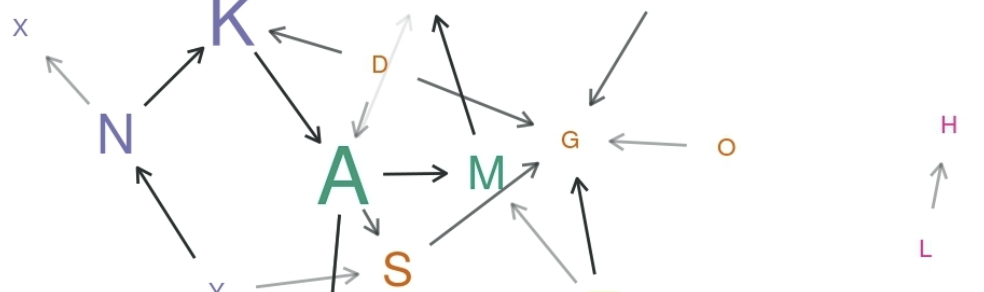
Our professional expertise and consulting experience in enterprise and solutions data architecture comes in handy too. Besides offering the following services to our members and customers, we believe they provide an intuitive framework for creative, practical dialogue across social bubbles — dialogue about our country’s dangerously conflicting social ontologies.
Database and Knowledge Graph Design
Innovation to Valuation by i2v
Decision Intelligence
Ontology-driven conceptual modeling (ODCM)
Semantic social network analysis (SSNA)
Burnout analysis and intervention by Schedule Dynamic
In the first phase of our launch, we’re focused on organizing consultants to work with social justice churches and their extended activist network to facilitate conversational semantic modeling.

An essence is just an excuse not to love somebody
We recognize that semantic alignment should be about realizing a common goal, not dictating one dominant set of essential definitions that hurt and divide people. Unfortunately, essentialisms like Christian Nationalism are tearing our country apart over semantics, and for those of us in their crosshairs it’s a dangerous reality. In reaction, we tend only to speak against them, about them, and occasionally at them, but rarely with them. And why would we? We live in different worlds, subscribe to different facts, organize reality into different categories, and use completely different language.
So we shout into the void. We know organizing resistance is necessary, but direct attempts at persuasion are rarely effective. Dialog seems pointless. Worse, all that shouting and failed persuading is burning us out. Dialog is hard, especially because we can’t just play nice when lives are at stake. At it’s root, Christian Nationalism thrives on essentialism. America is essentially a Christian nation, they say, so pluralism isn’t just bad it’s an abomination. Gender and sex are essentially binary, so the trans kids and parents among us don’t just make them uncomfortable, we’re freaks of nature and groomers who threaten to undermine the very foundations of society.

Framed by the essentialism of Christian Nationalism, conflicting semantics isn’t just the practical challenge of alignment — how to encourage meaningful communication and effective collaboration for the common good. No, semantics has become their existential struggle. They have defined us and our semantics as the threat to their existence.
Use your words
We seek to move beyond essentialist labels that drive division and toward shared meanings that allow for coexistence. But you don’t have to play nice to connect in an authentic way. It’s not about getting our semantics right or convincing them to use our semantics; it’s about using our words to fashion better understandings so we can work together toward a better world.